
Luck or skill which truly influences gambling outcomes
Understanding Gambling: The Role of Luck
Gambling is often portrayed as a thrilling game of chance, where luck plays a pivotal role in determining outcomes. Many players believe that their fortunes are driven by random events, such as the roll of dice or the spin of a roulette wheel. This randomness fosters an environment where seemingly irrational or illogical outcomes can occur, leading to the perception that luck is the dominant force. For those looking to engage responsibly, exploring options at a real money casino can provide a balanced experience.

While luck undoubtedly influences many gambling scenarios, it’s essential to recognize that it operates within a framework of probability. Each game has its inherent odds, which can shift based on various factors. This unpredictability can create a false sense of control, causing gamblers to attribute their wins or losses to luck alone, rather than acknowledging the underlying mechanics of the game.
The Importance of Skill in Gambling
In contrast to games purely based on chance, skill-based gambling offers players the opportunity to influence outcomes through strategy and decision-making. Games like poker, blackjack, and sports betting require a profound understanding of odds, psychology, and risk management. Skilled players can significantly enhance their winning potential by making informed choices, understanding their opponents, and calculating risks more effectively.
Skill also allows players to adapt their strategies based on the game’s dynamics and their opponents’ behavior. For instance, in poker, recognizing tells or adjusting betting patterns can lead to more favorable outcomes. This interplay of skill showcases that while luck may introduce unpredictability, it is often a player’s skill that can lead to consistent long-term success.
The Balance Between Luck and Skill
The debate surrounding luck versus skill in gambling is not a black-and-white issue. Instead, it is a complex interplay between chance and expertise. In many gambling scenarios, both elements coexist, with luck sometimes compensating for a lack of skill and vice versa. Recognizing this balance can profoundly influence a player’s approach to gambling.
For instance, a novice player might rely heavily on luck, while a seasoned gambler understands that integrating skill into their play increases their chances of success. Acknowledging the role of both luck and skill allows players to develop a more rounded strategy, enhancing their enjoyment and potential outcomes in the long run.
Impacts of Modern Gambling Practices
The evolution of technology has drastically changed the landscape of gambling, with online platforms and mobile applications offering new ways to engage with games. These innovations have made it easier for players to access a variety of gambling options, but they also raise questions about how luck and skill are perceived in these environments. Online games often have algorithms that can influence outcomes, further blurring the lines between chance and skill.
Moreover, the rise of data analytics in gambling is shifting how players approach their strategies. With access to vast amounts of data, players can analyze trends and make more informed decisions, emphasizing skill over luck. As gambling continues to evolve, understanding the dynamics of luck and skill will be crucial for players looking to maximize their experiences and outcomes.
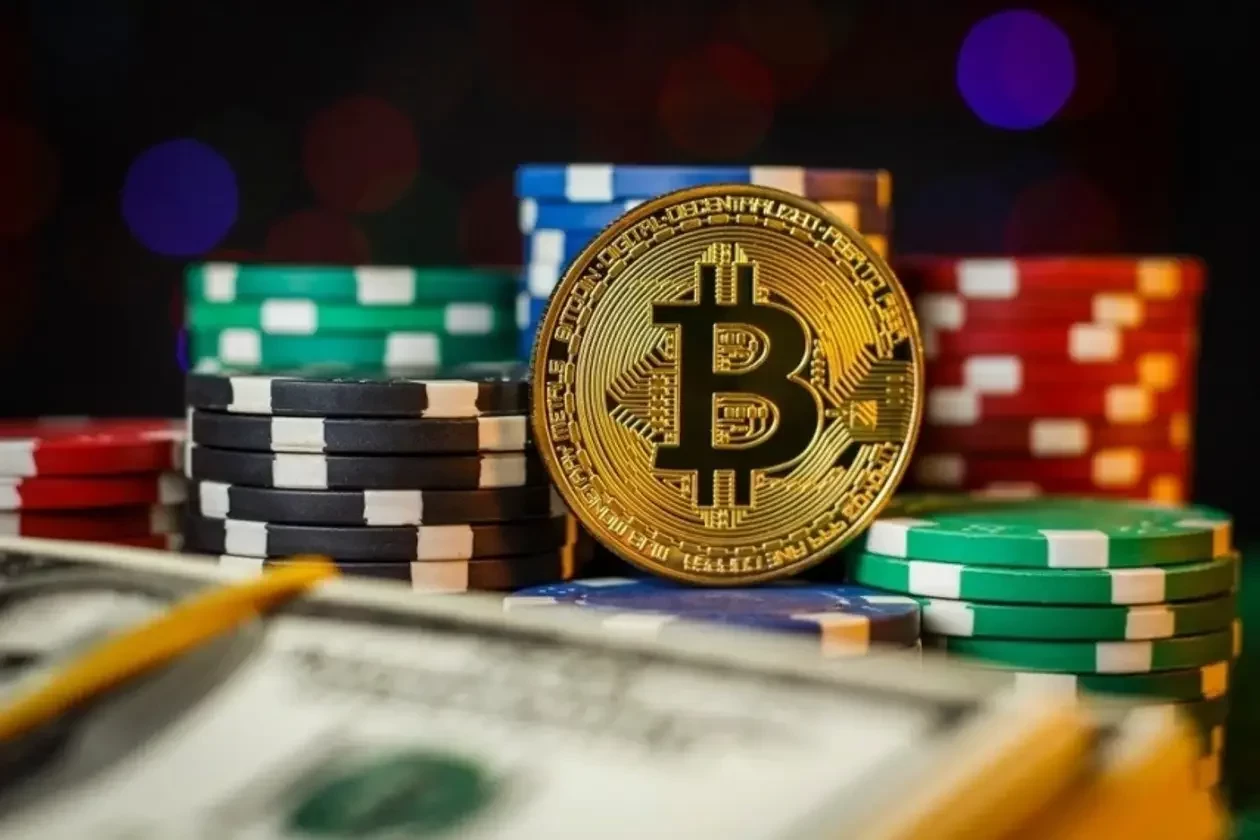
The Future of Gambling and Its Influences
The future of gambling will likely continue to be shaped by advancements in technology, regulation, and player education. As more players become aware of the interplay between luck and skill, they may approach gambling more strategically, ultimately leading to a more informed gambling community. This shift could see an increase in skill-based games and a decline in pure chance games.
As platforms evolve, incorporating better analytics, real-time data, and player insights, the landscape of gambling will likely favor those who prioritize skill. This balance may not eliminate luck entirely, but it could redefine how players perceive their chances and approach games in the future, allowing them to enjoy gambling as both a thrilling experience and a skillful endeavor.